
If you’re considering flexible stone for your home, office, or commercial space, you’ll probably want to know one thing before committing: how long will it actually last?
Flexible stone can provide a long-lasting finish, but there isn’t a standard lifespan that applies to every product. Manufacturers may provide their own expected service life based on the material, application, and installation conditions.
For your project, its long-term performance can also be affected by surface preparation, environmental conditions, how the surface is used, and how well it’s maintained. Rather than relying on a general lifespan figure, it’s more useful to understand these factors and how they can affect your installation as time progresses.
Five Factors That Affect Flexible Stone’s Lifespan
1. The Quality of the Flexible Stone
Flexible stone products can differ in their construction, thickness, backing, and surface treatment.
Some products use a thin layer of natural stone bonded to a flexible backing, such as resin or fibreglass. Others use different material compositions.
This means durability can vary between products. When comparing flexible stone sheets or stone veneer, check the manufacturer’s specifications rather than relying on a general lifespan figure.
2. The Condition of the Surface
A durable finish needs a suitable surface underneath it.
If the existing surface is unstable, damaged, excessively uneven, or poorly prepared, the flexible stone may not adhere as intended. Proper surface preparation helps create a stable base for installation.
This is especially important if you’re applying flexible stone over an existing wall or finished surface.
Before installation, the surface should be assessed and prepared according to the requirements of the chosen product.
The appropriate cleaning technique depends on the material, condition of the facade, type of contamination and accessibility of the building.
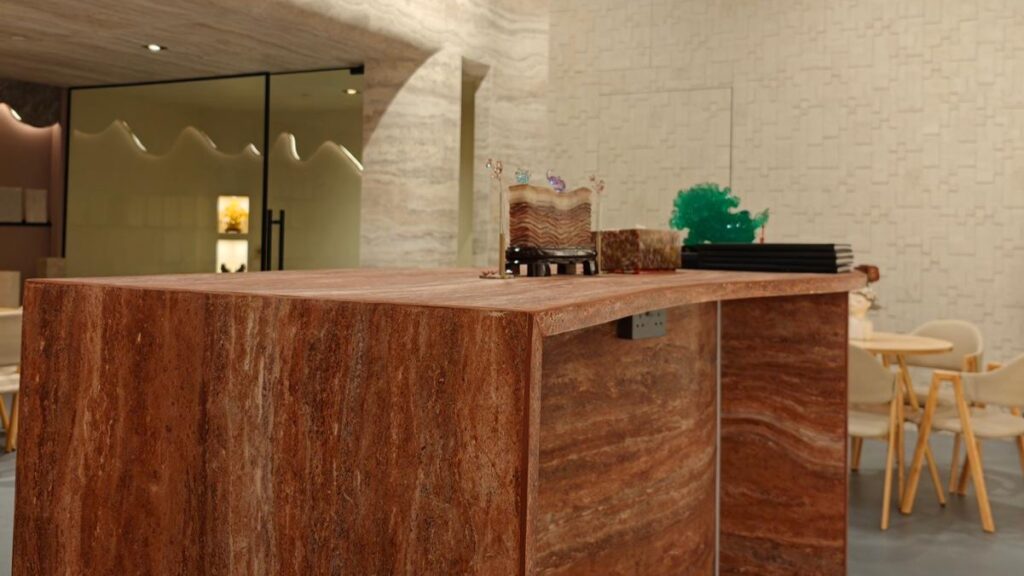
3. The Quality of the Installation
Even a suitable product can experience problems if it isn’t installed correctly.
Flexible stone needs to be properly bonded to the surface using a suitable adhesive system. Depending on the product and application, additional finishing or sealing may also be required.
Poor adhesion, inadequate surface preparation, or an unsuitable installation method can gradually affect the finished surface.
That’s why it’s worth considering who’ll carry out the installation, especially if your project involves curves, corners, or a large surface area.
4. Where You Install It
The environment can affect how flexible stone performs in the long term. Before choosing a product, consider where it’ll be installed and what conditions the surface will be exposed to.
Flexible stone can be used for applications such as:
- Feature walls
- Interior walls
- Columns
- Curved surfaces
- Building facades
However, not every flexible stone product is suitable for every application. Indoor and outdoor installations can have different requirements, particularly when the surface is exposed to rain, sunlight, or changes in temperature.
If you’re considering flexible stone for an exterior or moisture-prone area, check that the specific product is rated for the intended application and follow the manufacturer’s installation and care recommendations.
5. How the Surface is Used
The amount of contact and wear a surface receives can affect its condition over time.
A feature wall in your living room may experience very little physical contact, while a surface in a busy commercial environment may face more frequent contact or accidental knocks.
Choosing a suitable application for the product can help you avoid unnecessary wear and keep the finished surface in good condition.
Keep Your Flexible Stone Looking Its Best
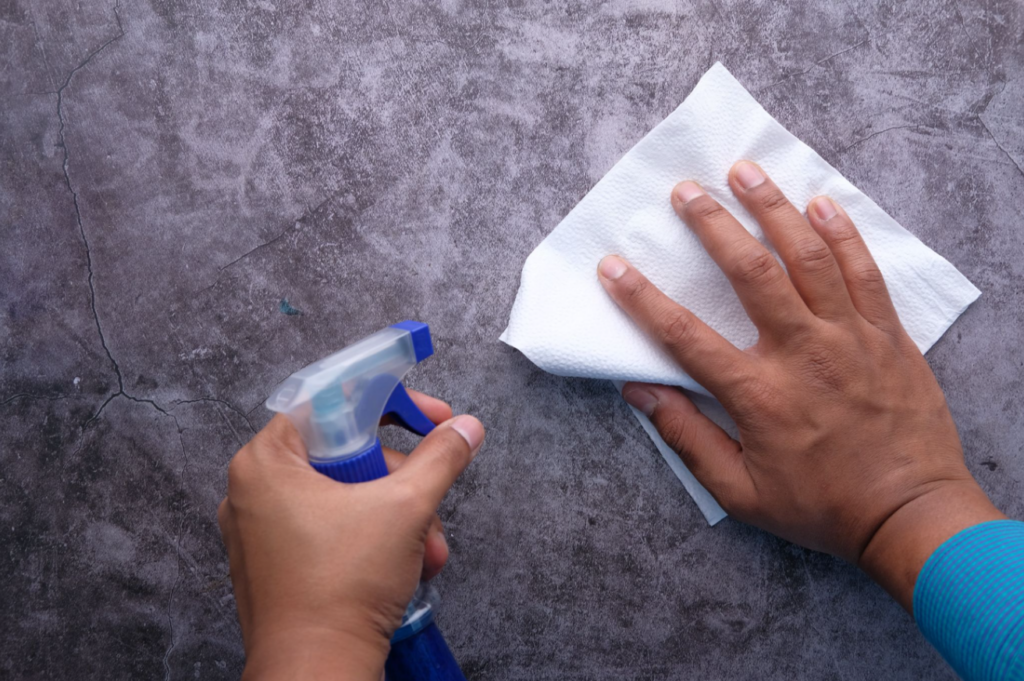
Flexible stone doesn’t require complicated maintenance. A few simple habits can help keep the surface in good condition
Clean gently and lightly. Use a soft cloth or sponge with water for routine cleaning. If needed, use a mild, non-abrasive cleaner that’s suitable for the specific product. Avoid abrasive cleaners and rough scrubbing tools that could affect the surface finish.
- Wipe up spills promptly. This helps prevent stains or residue from building up on the surface.
- Keep moisture in check. Singapore’s humid climate makes good ventilation and moisture management useful, particularly in outdoor or moisture-prone areas. Make sure the surface is allowed to dry after cleaning or exposure to water.
- Follow the manufacturer’s care instructions. Cleaning and maintenance requirements can vary between flexible stone products, so it’s best to follow the guidance provided for your specific material.
For exterior or moisture-prone areas, also make sure the flexible stone product is suitable for the intended application and installed according to the manufacturer’s requirements.
Regular cleaning gives you a chance to spot changes such as lifting edges, gaps, staining, or surface damage early, so you can address them before they become more serious.
Signs Your Flexible Stone Needs Checking
A well-maintained installation can last for years, but it’s still worth checking the surface from time to time.
Look out for:
- Persistent staining or discolouration
- Lifting edges which may indicate an adhesion issue
- Visible gaps or movement between sections
- Surface damage caused by impact or excessive wear
- Changes around joints or corners
These signs don’t automatically mean that the entire installation needs replacing. If you notice something unusual, it’s better to have the affected area assessed before the issue becomes more extensive.

Professional Installation Can Protect Your Investment
If you’re working with a straightforward, flat surface, flexible stone may appear simple to install.
The process can become more involved when you’re dealing with curves, corners, existing finishes, or a large commercial area.
Professional installation helps address these considerations from the start. The surface can be assessed and prepared before the flexible stone is installed and finished according to the requirements of the project.
At Marble Furnishing, we provide flexible stone installation for residential and commercial spaces in Singapore. Our service covers applications including feature walls, interior walls, building facades, columns, and curved surfaces.
You won’t have to work out the installation approach on your own. We can assess your surface and discuss the requirements of your project before installation.
Make Your Flexible Stone Investment Last
So, how long does flexible stone last?
There isn’t one lifespan that applies to every product or installation. How well your flexible stone performs in the long run comes down to choosing a suitable product, installing it correctly, and taking proper care of the finished surface.
Considering flexible stone for your home, office, or commercial property? Let our experts help you determine whether it’s suitable for your space. Contact us to discuss your project or book our flexible stone installation service in Singapore.